




Heat, Memory and the Long Australian Road
By early February, the country is stretched thin. Heat lingers. Storms threaten. Rivers shrink in one place and swell in another. Fires burn on distant ridgelines. And when the phone lines open on a Sunday morning, what comes through is not outrage or spectacle, but the steady sound of Australians measuring the season in lived experience.
There are snowdrifts in Maine and minus twenty-six degree nights. There are forty-eight-degree kitchens in South Australia and cruise ships idling in Eden. There are blazes still active near Euroa and smoke hanging low over Newcastle. It is one of those mornings when the map feels restless.
From Rusutsu to Shark Beach
Dr Ian Francis rang from Sydney, just back from a trauma conference in Rusutsu, on Japan’s northern island of Hokkaido. A ski resort, he said, with a week of lectures and a little skiing folded in.
He had spoken to colleagues about recent shark attacks in Sydney. Not in abstract terms, but clinically. About arterial forceps. About blood loss. About the minutes that decide whether someone lives or dies. At one beach, he said, someone had opened a “shark bite kit” only to find a tourniquet, a phone number and a space blanket. The audience had laughed at the absurdity. The last thing you need, he said, is a space blanket. You need to stop the bleeding.
The conversation drifted to older habits. To swim inside enclosures. To be told as children never to venture beyond the net. On the Georges River, the fear had once been grey nurse sharks, now known to be largely sedentary and misunderstood. But the rule stood: do not swim where you are not protected.
The sea, it seems, remains indifferent to our confidence.
Nullarbor Skies and Mullamullang Cave
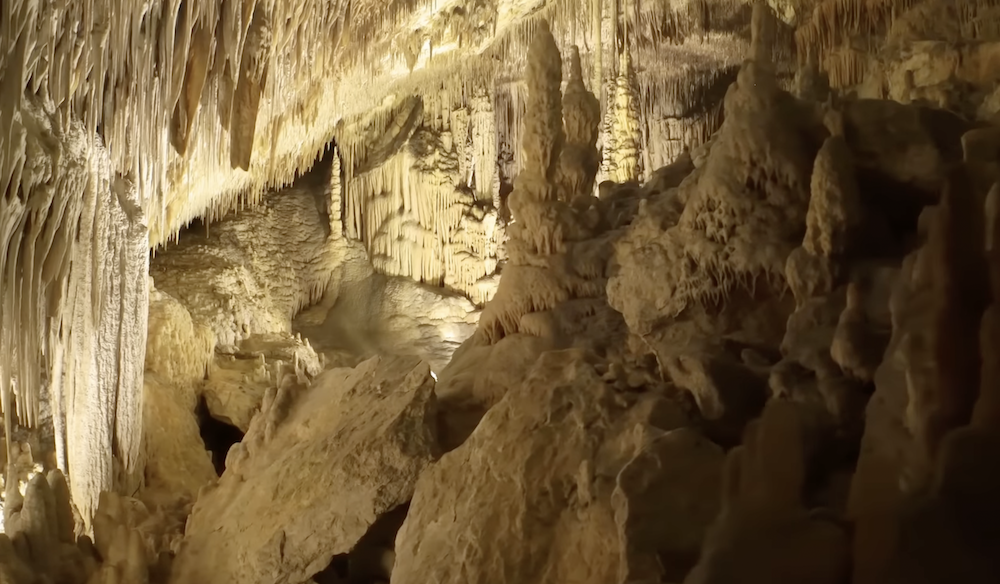
Bill rang from near the mouth of the Brisbane River, camped beside boat trailers and watching fishermen launch before sunrise. But his story belonged to the Nullarbor.
In the 1960s he had joined expeditions organised by the Sydney University Speleological Society. Through aerial photographs and long drives over limestone country, they located what was then known as the longest cave in Australia: Mullamullang Cave. They surveyed it to the one-mile peg before reaching a rock pile that seemed impassable. Later, others found the continuation. Bill returned and became one of the first to reach the end.
He described it as mountaineering underground. Vast passages rather than claustrophobic squeezes. Sand dunes inside the earth. A blind spider and a cave cockroach, one photographed and later catalogued.
Above ground, life continued across the same plain. He and his wife spent their first Christmas at Twilight Cove, south of Cocklebiddy, driving a Volkswagen Beetle along the beach. Sixty years together followed. Twenty-seven crossings of the Nullarbor. Standing at night beneath skies so wide they recalibrate your sense of scale.
He spoke of her passing three months ago, without drama. Just fact. The road, it seems, holds memory.
From Forty-One Degrees to Minus Forty-One
Jenny from Wonthaggi remembered leaving Victoria in forty-one degrees Celsius, shepherding eighteen Rotary exchange students through Los Angeles airport toward flights stretching from Alaska to Mexico.
Within days she was standing in snow at the Grand Canyon. Then in Thompson, Manitoba, at minus forty-one overnight. From heat that makes the bitumen shimmer to cold that freezes eyelashes.
She learned cross-country skiing in minus twenty. She said she would live there if she could. The extremes were less remarkable than the adjustment. The body, she implied, is adaptable. It is the shock of transition that lingers.
Back in Victoria, even a modest sprinkle of rain felt like relief.
Entangled off Tathra
Marine scientist Dr Vanessa Pirotta rang with urgency. A humpback whale had been sighted entangled off Tathra, heading north when most of its cohort should be feeding far south in Antarctic waters.
The animal was wrapped tightly, she said, around the body and pectoral fins. Not a minor trailing line but a full encirclement. It may have remained in Australian waters because it could not travel properly.
She asked listeners along the south coast to report sightings to National Parks or ORRCA. The migration corridor is vast, but distress narrows it quickly. A single whale, wrapped in rope, can alter the rhythm of a season.
Technology, Obsolescence and the Electric Question
The All Over News turned to technology. A former photographer described how digital wiped out his livelihood in three months. Decades of chemistry, darkrooms and composition skills rendered obsolete by automation. He now fixes things for a living.
Another caller reflected on artificial intelligence composing songs and generating artwork at the push of a button. Musicians, he warned, may soon feel what photographers did.
Then came the electric vehicle debate. One listener detailed kilowatt hours, tariffs and vehicle-to-load systems, describing how he powers his house each evening from his EV battery, cutting daily electricity costs dramatically. Another cited concerns about depreciation, battery replacement and charging infrastructure.
It was not a shouting match. It was generational. The sense that change is accelerating faster than people can comfortably evaluate it.
Sixteen Days Over One Hundred
From Hallett in South Australia came a letter that read like field notes from a furnace. Sixteen days above one hundred degrees Fahrenheit. Forty-eight in the shade. Mid-thirties at night. The kitchen at forty-seven.
Blue gums flowering in bone-dry calm. Bottlebrush hanging on for weeks. Sheep drinking from sixty-degree water and collapsing in piles behind one another. Frozen freight trucks parked because it was too hot to run.
People, the writer observed, had begun to go ratty. Short fuses. Best to stay home.
The heat was not theatrical. It was attritional. The kind that grinds.
Tallygaroopna and a Missing Marker
In Tallygaroopna, volunteers had restored a large steel sign salvaged from the pub fire years ago. It stood at Station Park, repainted, repurposed, a marker of identity.
One night it vanished. Bolted into the ground, nearly twenty feet high, removed cleanly. All that remained were bolts and threads.
The caller did not rage. He sounded deflated. The town had rescued the sign once. Perhaps it would do so again. Rural communities are accustomed to rebuilding, but they still feel each loss.
Alstonville and the Waiting
From Alstonville came a quieter frustration. A dance studio owner described her third break-in. Windows smashed repeatedly. Offenders known. One police officer covering Alstonville, Coraki, Wardell, Woodburn and Evans Head.
She had been waiting thirty-two days for attendance. The officers, she said, were exhausted. Overstretched. When they did answer the phone, they sometimes asked what she wanted them to do.
It was not blame she expressed, but fatigue. A sense of slow erosion.
Basketball and the Five-Hour Drive
Claire rang from Gosford, leading teams from Dubbo, Lithgow, Bathurst and Orange. Children travelling five hours to compete. A promised six-court stadium in Dubbo still unrealised a decade after the ceremonial sod-turning.
Two Dubbo players had made the New South Wales country team. Talent exists. Infrastructure lags.
Parents drive. Kids wait. The apprenticeship of regional sport continues kilometre by kilometre.
Anthem of the Seas in Eden
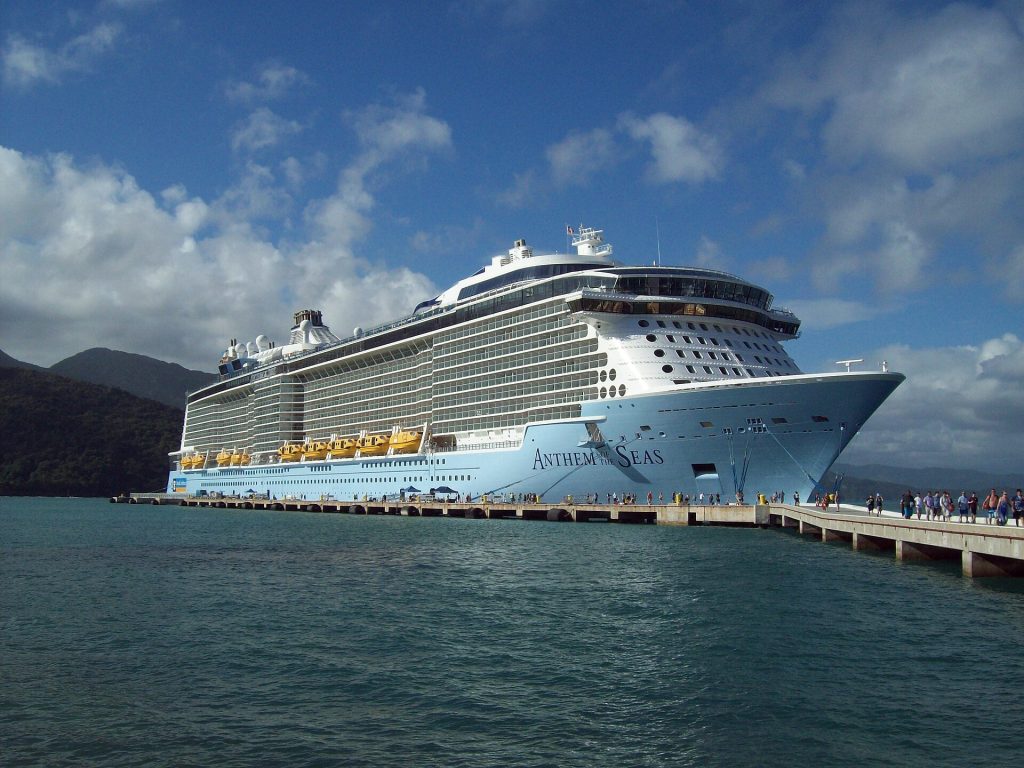

In Eden, the cruise ship Anthem of the Seas sat offshore with propulsion issues. No passengers on board, but around 1,500 crew. There was no berth available in Sydney long enough for repairs, so the vessel came south.
Crew members disembarked to walk the streets, buy groceries, sit at cafés. A floating city reduced temporarily to workers at rest.
The scale of it struck the caller. Nearly 5,000 passengers when full. Thousands of staff working below decks. A town of 3,000 hosting a ship built for many times that number.
Blazes and Tenterhooks
Kevin from BlazeAid spoke of eleven blazes across Victoria and New South Wales. Camps near Euroa, Goomalibee, Natimuk and beyond. Fences down for kilometres. Livestock losses mounting.
He recalled 1939, Black Saturday, Ash Wednesday. February has form. The state remains on tenterhooks. Grass waist-high along roadsides. One week of forties and it runs.
Volunteers are still needed. The work is slow, repetitive, necessary.
Smoke in Newcastle and Pines at Risk
From Newcastle came reports of smoke from Port Stephens and the Shortland wetlands. Asthmatics advised to stay indoors. The sky thick and acrid before six in the morning.
Further south, a part-time pine farmer described losing a ten-year plantation near the Longwood fire. Nearly at maturity. A retirement plan turned to blackened trunks. He counted himself lucky. His house survived.
Farming, he said, is long-term. You begin again.
Bathurst Evenings and Herring Island
There were lighter threads. A Festival of Speed in Canberra. Old cars revving at Thoroughbred Park. A sculptor exhibiting on Herring Island in Melbourne’s Yarra River, where few realise an island exists.
At Bathurst, the heat eased as the sun dropped. A stillness settled over the track. The simple relief of evening air after forty degrees.
In Darwin, the monsoon had finally stirred. Gusty storms. Nightcliff foreshore under heavy cloud. Rain as restoration.
Holding It Together
By the time the lines quietened, the country sounded neither panicked nor triumphant. Just occupied. Ski conferences and shark kits. Caves beneath limestone plains. Forty-eight degree paddocks. Cruise ships paused. Blazes smouldering. Junior athletes driving toward possibility.
Australia in February is a collage of temperatures and effort. The conversations are longer when the conditions are harder. The details matter.
And perhaps that is the steadier thing. Not the weather, not the machinery, not even the fires. Just people describing what they see from wherever they stand, trusting someone on the other end of the line to hear it.
Listen to the podcast episode here.
Disclaimer: ‘Australia All Over’ is a program produced and broadcast by the ABC Local Radio Network and hosted by Ian McNamara. Brisbane Suburbs Online News has no affiliation with Ian McNamara, the ABC, or the ‘Australia All Over’ program. This weekly review is an independent summary based on publicly available episodes. All original content and recordings remain the property of the ABC. Our summaries are written in our own words and are intended for commentary and review purposes only. Readers can listen to the full episodes via the official ABC platforms.