


Brisbane Tests AI Traffic Technology Along Mount Gravatt Corridor

A major stretch of Logan Road through Mount Gravatt is set to become part of Brisbane’s push to use artificial intelligence to manage traffic more efficiently from early 2027.


Brisbane City Council will test the technology across 22 Logan Road intersections as part of a $15 million pilot also covering 15 intersections on the Kelvin Grove Road corridor. The trial is aimed at improving how existing road space is used by adjusting signal timing to changing traffic conditions rather than relying on traditional fixed-phase operation.

Technology to manage traffic in real time

The system will use existing traffic infrastructure, supported by cameras, edge computing and artificial intelligence, to monitor conditions across the corridor.

Cameras will identify pedestrians, cyclists, cars, trucks and public transport while measuring traffic volumes and queue lengths. Software will use that information to calculate signal sequences in real time, allowing traffic lights to respond as conditions change. 

Weather, major events and historical traffic patterns can also influence how the system operates. Human operators will remain involved, with Council describing the technology as an additional management tool rather than a fully autonomous replacement for staff.

Logan Road chosen for major corridor test

About 30,000 vehicles use Logan Road each day, according to figures released with the pilot, making it one of the key southside routes selected to test whether smarter signals can move traffic more efficiently. 

Council has cited potential reductions of up to 15 per cent in average travel times and 22 per cent in intersection queue lengths based on comparable systems elsewhere. It has also pointed to possible reductions of 12 per cent in rear-end crashes and 18 per cent in red-light violations. 

Those figures are projected benefits and will need to be tested under Brisbane conditions during the six-month trial.

Setting operating priorities

Council will determine the rules used to prioritise different road users rather than leaving those decisions to the technology. Pedestrians may receive greater priority in some locations, while public transport, freight or general traffic could be favoured elsewhere or at particular times.

Council has presented the technology as a way to improve the performance of established roads without relying on major physical expansion. 

Lord Mayor Adrian Schrinner has said upgrading all 37 intersections through conventional roadworks would cost substantially more than the pilot. The AI system is intended to make better use of existing infrastructure by changing signal timing according to actual demand.

Wider rollout to depend on results

Council says faces, number plates and other personally identifiable information will be blurred, with data stored in Council-owned and managed facilities in Brisbane rather than sent offshore. Identifying information may be made available to law-enforcement authorities following an individual request.


The trial will run for six months before Council decides whether AI-assisted traffic management should be expanded across Brisbane’s network of about 1,000 signalised intersections.

Published 14-Sept-2026
Mount Gravatt Records Second-Highest Number of Illegal Dumping Notices in Brisbane

More than 200 AI-assisted cameras are now operating across Brisbane, helping investigators identify offenders at known dumping hotspots. Among the suburbs attracting significant enforcement attention is Mount Gravatt, which recorded 125 infringement notices and warnings, placing it among the city’s busiest locations for illegal dumping investigations.


The expanded surveillance effort comes as several East Brisbane suburbs appeared on Brisbane’s latest illegal dumping rankings, highlighting the ongoing challenge facing communities across the city’s eastern and south-eastern suburbs.

More Than 200 Cameras Watching Known Hotspots

Motion-activated cameras are now operating across Brisbane at locations identified as dumping hotspots or high-risk areas. The devices can capture information including vehicles, number plates, people and discarded items, helping investigators gather evidence and identify repeat offenders.

Around 25 additional cameras were installed during the past year, bringing the total network to more than 200 devices across the city. The increased monitoring coincides with a sharp rise in enforcement activity. More than 850 infringement notices and warnings have been issued so far in 2026, generating more than $525,000 in penalties.

Authorities estimate illegal dumping costs ratepayers about $500,000 each year in clean-up expenses, separate from any environmental damage caused by dumped materials.

Photo Credit: CrGregAdermann/Facebook

Suburbs With Illegal Dumping Offences

Coorparoo ranked fourth among Brisbane suburbs for illegal dumping complaints, while Morningside ranked sixth and Carina ranked seventh.

Mount Gravatt appeared second on the list of suburbs where infringement notices and warnings were issued, recording 125 notices. Cannon Hill ranked fifth with 38 notices, while Chandler recorded 19 notices.

The figures reflect two different measures. Complaint rankings show where incidents are being reported, while infringement and warning notices indicate where offenders have been identified and enforcement action has occurred.

2026Most Illegal Dumping Complaints Most Infringement & Warning Notices Notices Issued
1MoorookaMount Coot-tha318
2Sunnybank HillsMount Gravatt125
3New FarmRichlands49
4CoorparooBald Hills45
5Forest LakeCannon Hill38
6MorningsideBulwer35
7CarinaDoolandella25
8RuncornWillawong22
9SunnybankChandler19
10AnnerleyNathan19

Charity Bin Dumping Creates Problems for Volunteers

Illegal dumping is not always large-scale. At Cannon Hill, concerns have been raised about people leaving bags, boxes and household items outside charity collection bins.

According to Cr Lisa Atwood in March, volunteers and staff from Link Vision have regularly been forced to deal with piles of donations left beside collection bins at 1177 Wynnum Road.

While many people appear to have good intentions, items left outside bins can quickly become damaged by weather, dirt or vandalism. Once that happens, many donations can no longer be reused and must be disposed of as waste.

The problem can also attract further dumping, with broken furniture and unwanted household items sometimes left near collection points. To address ongoing issues, anti-dumping cameras have been installed at the site. Residents caught leaving items outside collection bins can face penalties for illegal dumping.

Legal Disposal Options Available

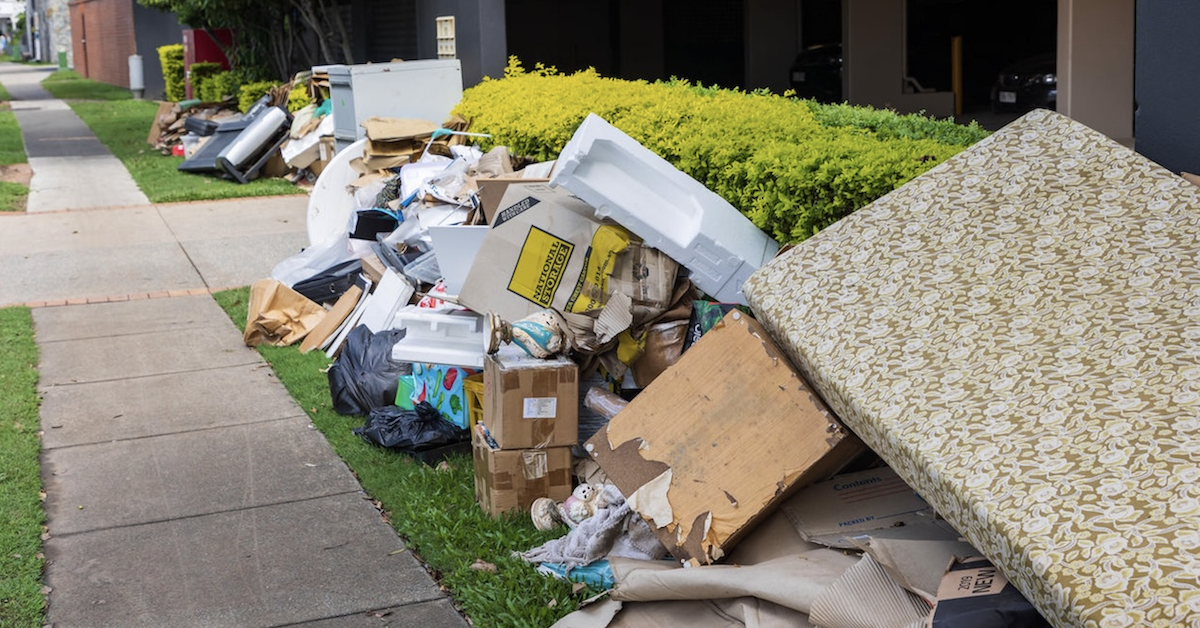
Illegal dumping can involve a wide range of materials. Mattresses, furniture, whitegoods, tyres, green waste and construction materials are among the items commonly collected during clean-up operations.

Dumped materials can damage bushland, affect waterways, create safety hazards and increase maintenance costs for public spaces. In suburban areas, even relatively small piles of rubbish can quickly grow when additional items are added by other people.

Residents have several legal options for disposing of unwanted items. Household waste and recycling can be managed through regular collection services, while larger items can be taken to resource recovery centres and transfer stations.

Waste vouchers, designated hazardous waste disposal events and charitable donations provide alternatives to leaving unwanted items in public places.


Anyone who witnesses illegal dumping can report incidents by phoning Council on 07 3403 8888, providing details such as location, photographs and descriptions where possible.

Published 3-June-2026

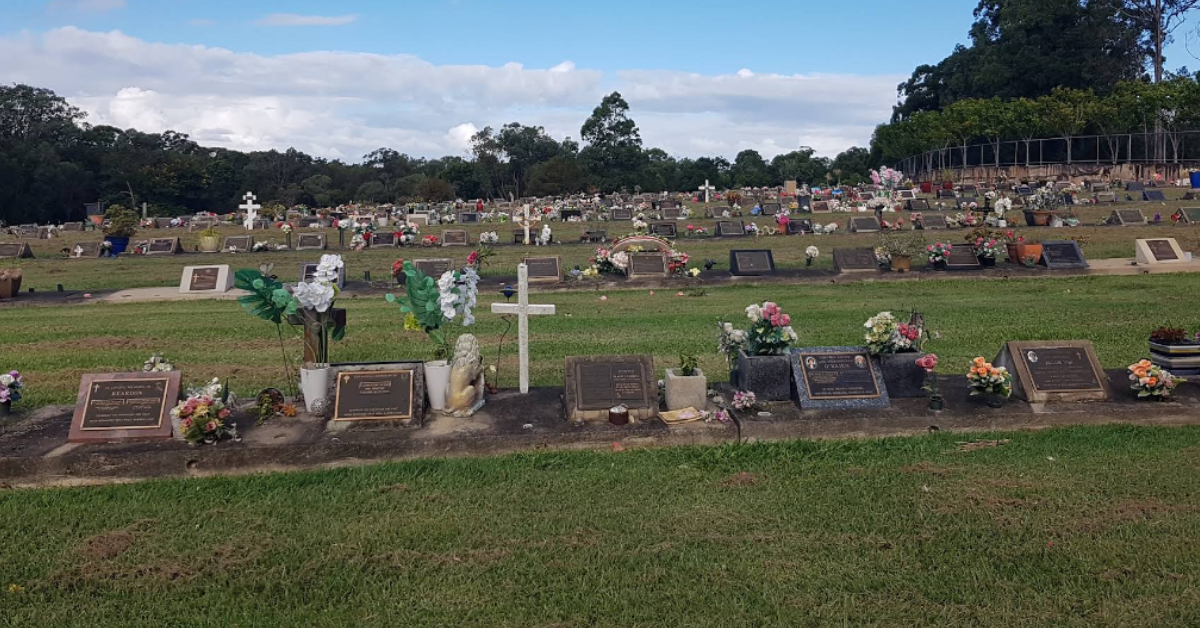
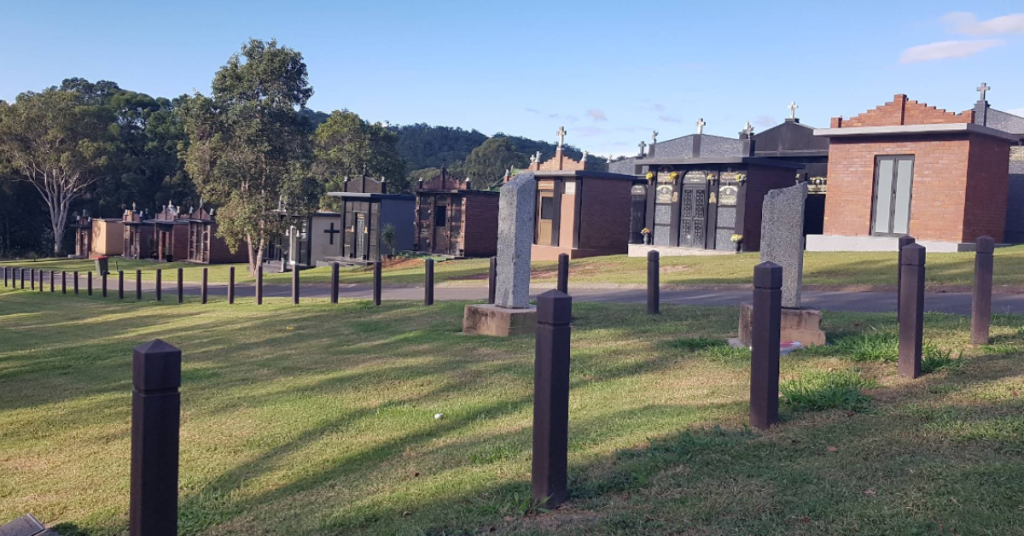
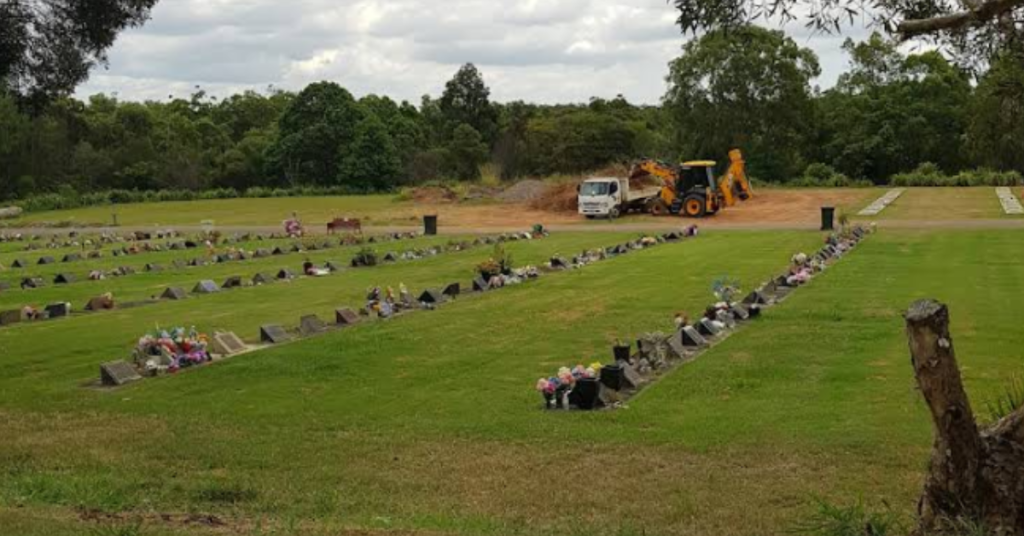
Mt Gravatt Cemetery at Centre of Land Shortage and Maintenance Row

Families relying on the historic Mt Gravatt Cemetery are facing a critical squeeze as land shortages and maintenance disputes threaten the future of one of Brisbane’s only burial grounds catering to diverse cultural needs.


The Strain on Historic Grounds

Mt Gravatt Cemetery
Photo Credit: Google Maps

The 100-year-old facility in Brisbane’s south has become a focal point for a wider crisis gripping Queensland. While the cemetery handles hundreds of burials and cremations annually, it is struggling to keep up with demand. Local leaders and religious groups have raised concerns that space is running out. This is particularly worrying for Muslim and Jewish communities, who require burial for religious reasons. Mt Gravatt is distinct because it offers specific cultural areas that other council-run locations do not.

Dr Iqbal Sultan from Muslim Funeral Services noted that the shortage of land is becoming an urgent problem. He pointed out that while other countries often reuse graves after a few years to save space, plots in Queensland are generally locked away for at least 50 years. He suggested that deep graves allowing for multiple burials could be an option, but this comes with safety risks for workers who have to enter the ground.

Operational Struggles and Community Outcry

Beyond the lack of space, the way the cemetery is managed has drawn sharp criticism from the public. Over the past three years, complaints have increased regarding the condition of graves. The situation reached a breaking point when families reported their loved ones’ graves were flooded. This was linked to a practice called “spiking,” where water is injected into the ground to settle the soil.

The Brisbane City Council explained that spiking was a standard procedure meant to stop the ground from sinking later on. However, following the backlash from traumatised families, the council paused the practice. A six-month review was launched to look into these burial methods. Community members have called for better training for groundskeepers and more consultation to ensure the site is treated with respect.

A State-Wide Burial Boom

Mt Gravatt Cemetery
Photo Credit: Google Maps

The issues at Mt Gravatt reflect a much larger problem across the state. Queensland councils have warned that the state could run out of room to bury its dead within the next decade. Unlike other states that have specific laws for cemeteries, Queensland relies on local councils to manage these facilities. The Local Government Association of Queensland highlighted that without a state-wide plan, councils are left dealing with expensive land acquisition and the “forever” cost of maintaining old gravesites.

In regions like Gladstone and Rockhampton, the pressure is just as high. Gladstone Mayor Matt Burnett mentioned that cemeteries take up land that can never be used for anything else. His council even had to pause plot reservations temporarily because holding empty land was becoming too costly for the community.


Searching for Sustainable Solutions

With land becoming scarce and expensive, experts and commentators are debating the best way forward. Some voices in the media, like Jason Matthews, have suggested that the government needs to encourage cremation as a cheaper and more flexible alternative. However, cremation is not an option for everyone due to personal or religious beliefs.

Researchers have pointed out that in places like Victoria or South Australia, different rules apply, such as renewable tenure where graves are reused after a set period. While this helps save space, it remains a controversial topic for many families. For now, the focus remains on fixing the immediate problems at Mt Gravatt, ensuring families have a place to grieve without the added stress of overcrowding or poor maintenance.

Published Date 19-December-2025

Koala Deaths Spark Fox Control Calls in Mt Gravatt

Six koalas have died in Mt Gravatt following reported fox attacks, prompting renewed calls from local groups for city officials’ intervention.


Ongoing Koala Deaths Raise Alarm in Mt Gravatt

The Queensland Koala Society has confirmed six koala deaths caused by fox attacks in the Mt Gravatt area, including one incident involving a joey. The fatalities have occurred across the forested zone near the TAFE Mount Gravatt campus and adjoining council-owned bushland.

Mounting Concerns from Local Representatives

Local official Steve Griffiths has raised concerns over the lack of BCC response to repeated incident reports from koala groups. Despite requests for assistance, local volunteers say no effective council action has been taken to address fox-related threats in the area.

BCC stated that Mr Griffiths had not previously contacted them and confirmed that pest management officers have now reached out to the TAFE campus. However, Mr Griffiths said he had written to the city authorities and raised the issue directly.

Ongoing Habitat Challenges in Mt Gravatt

The population affected is part of a group of approximately 30 koalas in Mt Gravatt. Queensland Koala Society has used monitoring cameras to capture fox movement and the aftermath of attacks. The group has also highlighted that koalas are most vulnerable when moving between trees, especially in fragmented habitats.

Fox activity has been reported across the broader Brisbane area, including suburban streets and riverbanks. Mr Griffiths noted that officers are capable and willing to respond, but reductions in council staff have affected overall capacity to manage such incidents effectively.

Queensland Koala Society
Photo Credit: Queensland Koala Society/Facebook

Previous Mitigation Measures at TAFE Campus

In 2022, koala exclusion fencing was installed at the front of the TAFE Mt Gravatt campus through a collaborative effort involving the Queensland Koala Society, TAFE Queensland, QBuild, the Department of Employment, Small Business and Training, the Mount Gravatt East Townhouse Development Action Group, and local official Corrine McMillan. The fencing was designed to keep koalas away from high-risk road corridors, such as Cavendish Road.

The fencing was designed to keep koalas away from high-risk road corridors, such as Cavendish Road.

This measure is believed to have contributed to the stability of the koala population within the campus. Recent spotter reports included sightings of up to 17 koalas in a short span, even following adverse weather conditions. These gains are now threatened by increased fox activity in surrounding bushland.

Community Frustration Builds Over Delayed Response

Community volunteers have expressed frustration at the pace of action on what they view as an urgent issue. Despite repeated communications with council representatives, including written appeals, advocates say the matter remains unresolved.

Mr Griffiths has reiterated these concerns and called on council leadership to meet with koala groups and support coordinated fox control efforts across Mt Gravatt and nearby areas.

Path Forward and Ongoing Risks


Queensland Koala Society seeks immediate BCC intervention to manage fox populations in and around Mt Gravatt. The group maintains that coordinated pest control is vital to prevent further losses within this vulnerable urban koala colony.

Published 11-Apr-2025