
Upper Mt Gravatt Centre Precinct Plan Opens for Community Consultation

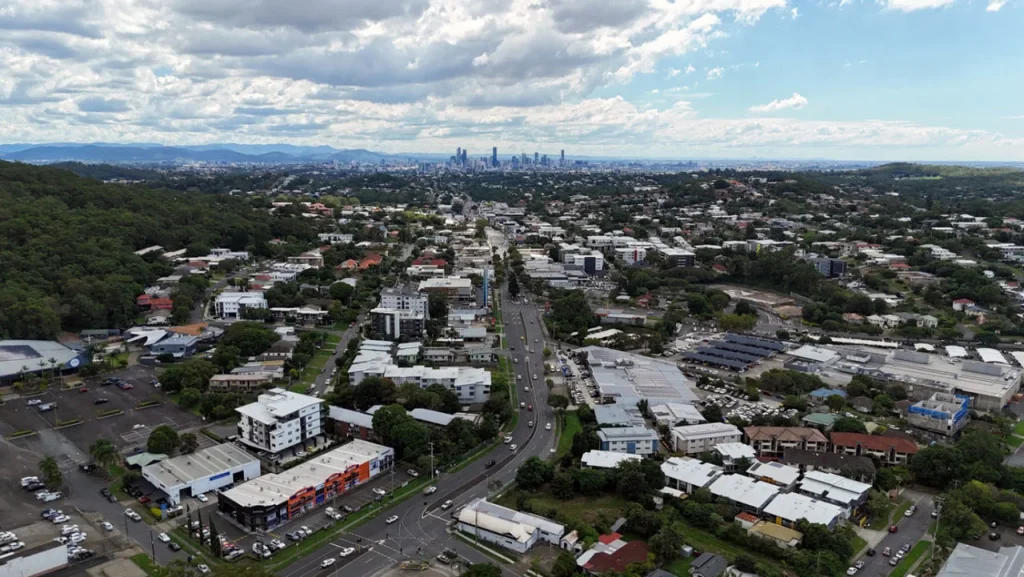
Residents across Upper Mt Gravatt now have a direct say in what their suburb’s commercial heart looks like in the decades ahead, with community consultation open on a plan that will shape development along the Dawson Road corridor through to Newnham Road.


The Suburban Renewal Precinct Plan for Upper Mt Gravatt covers the stretch of the suburb anchored by Westfield Mt Gravatt and extending through Mt Gravatt-Capalaba Road to Newnham Road, taking in the mix of retail, commercial and residential land that makes up one of southern Brisbane’s busiest suburban centres. What gets built there, how tall, and what kind of neighbourhood it becomes are exactly the questions the plan is designed to settle, and right now, before any draft is written, is the moment when community input carries the most weight.

Feedback gathered during this initial phase goes directly to planners as they prepare the draft plan, which will come back to the community for a second round of input before anything is finalised. Planners expect to put the draft plan back to the community for review in late 2026 or early 2027, with the final version likely to be etched into the city plan by mid-2027.

A Centre Under Growing Pressure

Upper Mt Gravatt already carries a lot of weight for southern Brisbane. It draws shoppers, workers and service-seekers from well beyond its own suburb boundaries, and the infrastructure surrounding the centre, including the Upper Mt Gravatt library, nearby sporting fields, Mt Gravatt Outlook Reserve and Brisbane Metro turn-up-and-go services along the corridor, gives it a foundation that many suburban centres elsewhere in the city simply do not have.

Under current planning settings, landmark sites within the precinct can already reach up to 15 storeys. The precinct plan will work through whether zoning across a wider range of sites should be updated to allow more housing and mixed-use development in the locations best placed to handle it, while protecting the residential streets that surround the commercial core from inappropriate intensification.

Upper Mt Gravatt sits within a broader programme of suburban renewal plans across Brisbane that has already delivered adopted plans at Stones Corner, with work underway at Wynnum, Alderley, Mt Gravatt and Chermside. The approach across all of them centres on finding the best use of underutilised land within established, well-connected centres rather than pushing growth outward into areas that lack the same infrastructure base.

What Residents Are Being Asked

The ideas phase is deliberately open. Residents, business owners and anyone who uses the Upper Mt Gravatt centre can share what matters to them about the area as it stands, what they feel is missing, and what they want the precinct to look and feel like in the future. There are no set options to choose from at this stage. The aim is to hear from the people who actually live and work in and around the centre before planners sit down to draft anything formal.

That covers everything from the types of housing and services the community wants to see near the centre, to the quality of streets and public spaces, to how the plan can protect the character of the established neighbourhoods that border the precinct.

Why This Matters to the Community

Brisbane is growing fast, with around 600 people arriving in the city each week and a projected need for more than 210,000 new homes by 2046. Well-serviced centres like Upper Mt Gravatt, with their transport connections, community facilities and existing employment base, are exactly where that growth is likely to be directed. The precinct plan is not about whether change happens. It is about whether the community shapes it or watches it happen around them.

For residents of Upper Mt Gravatt, Mt Gravatt, Mansfield, Rochedale South and Eight Mile Plains, getting involved now, at the ideas stage rather than the objection stage, gives the best chance of seeing local priorities reflected in whatever is ultimately adopted. Once a precinct plan becomes part of the city plan, it sets the rules for development for years to come.

Residents can share their ideas by clicking this link or by writing to Neighbourhood Planning, Upper Mt Gravatt Centre Suburban Renewal Precinct, Brisbane City Council, GPO Box 1434, Brisbane QLD 4001.


Published 17-March-2026.
High-Density Zones Approved for Upper Mount Gravatt Shopping Centre Precinct

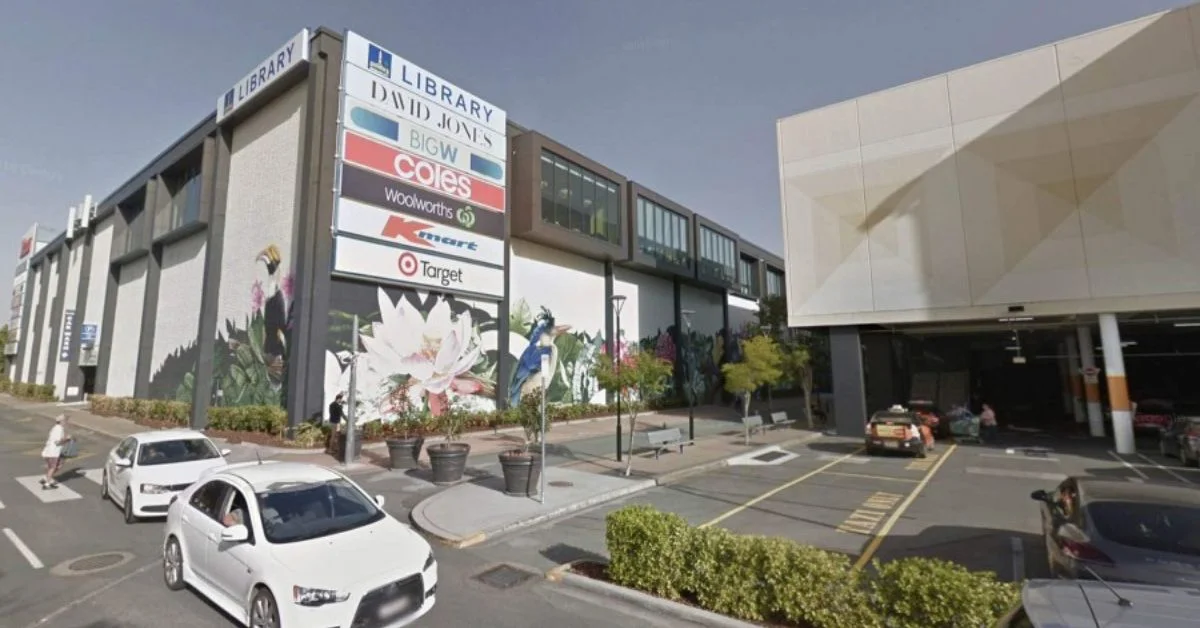
Upper Mount Gravatt’s Westfield shopping centre precinct will see new high-density zones allowing apartment buildings under plans approved this week, with proximity to the Brisbane Metro line cited as a key factor in the decision.


The precinct plan passed with broad support and will now proceed to Queensland authorities for approval before returning for final details including specific rezoning areas and building height limits. The Upper Mount Gravatt precinct was selected because of its location next to the new Brisbane Metro line, providing public transport connectivity for future residents.

The high-density zones around the shopping centre aim to concentrate housing near established retail, services and transport infrastructure. Upper Mount Gravatt already features the Westfield Garden City shopping complex, multiple bus routes and the upcoming Metro service, making it well-positioned to accommodate additional residential density.

Community Perspectives on High-Density Development

Brisbane residents have shared mixed views on the high-density zones proposal for Upper Mount Gravatt. Some community members expressed strong support for building apartments near high-frequency public transport, arguing these are exactly the sort of locations that should accommodate denser housing.

Community members have suggested expanding the Mount Gravatt precinct beyond its current boundaries, pointing to strong potential for increased density in areas directly bordering the designated zone. Several residents called for broader upzoning around all train stations and busway stations across Brisbane, rather than isolated precinct-by-precinct changes.

Some community feedback emphasized the need for comprehensive transport infrastructure to support high-density corridors, warning against creating pockets of apartments separated by areas with limited public transport options. The sentiment reflected concerns about distributing transport capacity alongside housing density.

Urban Densification Near Public Transport

The precinct plan forms part of Brisbane’s urban densification approach, intended to build taller apartments near public transport to reduce car dependency. Recent changes include reducing minimum block sizes to 120 square metres and cutting parking requirements for new buildings.

High-density zones approved for Upper Mt Gravatt
Photo Credit: BBC

Other precinct plans under development include Stones Corner, Wynnum Central, Salisbury, Moorooka and Alderley. Each precinct focuses on areas with existing or planned public transport infrastructure and established commercial centers.

The Upper Mount Gravatt high-density zones will complement the shopping centre’s role as a major retail and service hub for Brisbane’s southern suburbs. The precinct acts as a central hub for the wider Southside community, drawing residents from across the surrounding residential suburbs to its retail and transport core.

Authorities will determine the final details following approval, including which areas will be rezoned and the maximum building heights permitted. Once planners finalise the framework, market demand and private investment will drive how quickly new developments get underway.


Published 13-February-2026.

Housing Boost for Mount Gravatt and South East Queensland Communities

Thirty-three new affordable homes are set for Upper Mount Gravatt as part of a broader push to rapidly increase housing supply across South East Queensland.


The Crisafulli Government has confirmed its commitment to address the ongoing housing challenges by activating new land for development and fast-tracking social and affordable housing projects. These efforts aim to provide more secure and stable housing options for Queenslanders, particularly for vulnerable individuals and families.

New Homes for Local Communities

housing
Photo Credit: Google Maps

In a direct response to the community’s need for more housing, planning approval has been granted for 33 new affordable housing units at Hertford Street, Upper Mount Gravatt. This development is strategically located to offer residents easy access to public transport and essential services.

Beyond Mount Gravatt, another 60 social and affordable housing units are planned for South Brisbane. These homes will be managed by the Aboriginal and Torres Strait Islander Community Health Service Brisbane (ATSICHS), a registered housing provider dedicated to supporting Indigenous communities. 

Additionally, 16 social housing units in Juniper Court, Beenleigh, are approved to help young people affected by domestic violence or those at risk of homelessness. In total, these new projects will deliver 109 social and affordable units.

Boosting Land Supply

housing
Photo Credit: Google Maps

To lay the groundwork for even more homes, Economic Development Queensland (EDQ) has released significant tracts of development-ready land. This includes 3.5 hectares in Meadowbrook, Logan, which could lead to up to 172 new homes. 

Another 1.7 hectares at Lumina within the Gold Coast Health and Knowledge Precinct in Southport has also been released, with the potential to unlock about 640 future residences. EDQ is also evaluating approximately 190,000 square metres of land for further releases over the next six months.


Deputy Premier and Minister for State Development, Infrastructure and Planning, Jarrod Bleijie, stated that these approvals and land releases are designed to increase the availability of housing across Queensland. He affirmed that the government is actively working on other initiatives to accelerate housing supply. 

Minister for Housing and Public Works, Sam O’Connor, added that the new approvals demonstrate the government’s seriousness about providing more affordable homes. He noted that these efforts are being made in partnership with charities and community housing providers, adding to over 5,000 social and affordable homes already under construction or contract.

Published Date 24-Jun-2025