Route 171 Through Mount Gravatt Sees Passengers More Than Double in Brisbane Bus Shake-Up

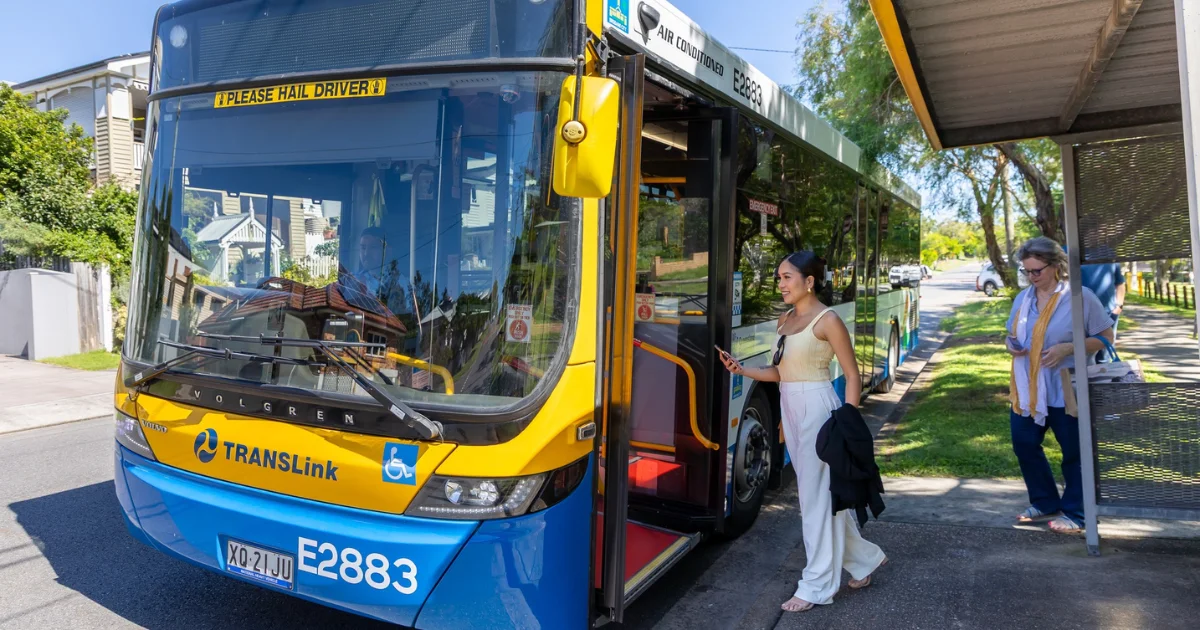
Route 171 through Mount Gravatt recorded a 115 per cent jump in passengers in the first seven months after Brisbane’s mid-2025 bus network changes took effect, making it one of the strongest-performing routes in the city.


Read: Brisbane Metro: Service’s Permanent Launch Anticipated to Bring Fast, Reliable Transit to Mount Gravatt


The result came as Brisbane’s redesigned bus network recorded strong patronage growth across the city.

A city-wide transformation with local impact

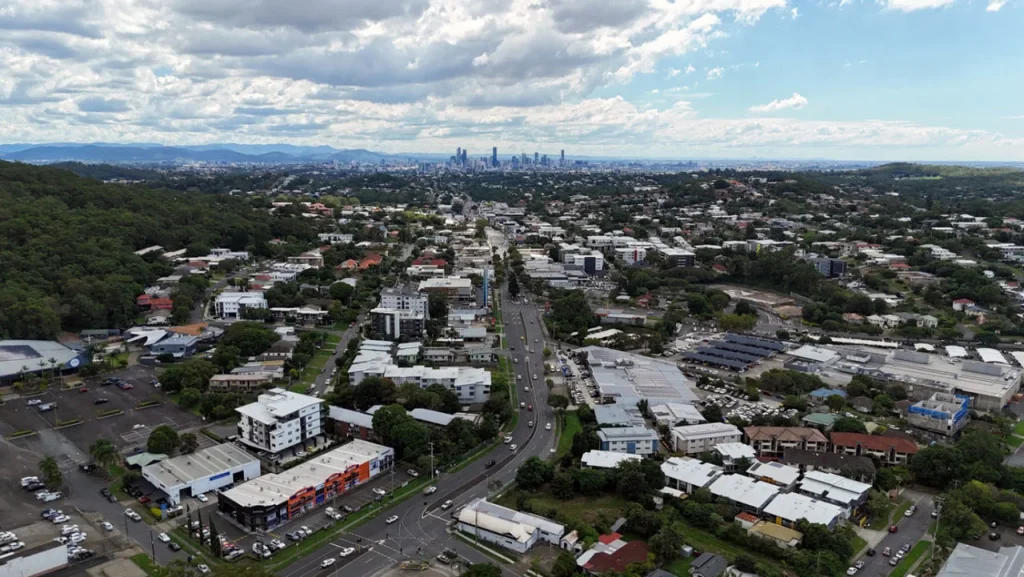
Photo credit: Google Street View

The 171’s gains were part of a broader network redesign that has driven significant ridership growth across Brisbane. Brisbane reported more than 51.2 million bus and Metro trips in the first seven months following the mid-2025 overhaul, which is up 10 per cent on the same period the previous year. Across a longer timeframe, Brisbane bus trips have risen 27 per cent since the beginning of 2024.

BCC puts the impact in road terms too, estimating the ridership growth represents the equivalent of 3.9 million fewer private car trips, calculated on an average of 1.2 people per vehicle.

Cr Adrian Schrinner pointed to the flow-on benefits for all road users, saying that every additional bus or Metro passenger meant one fewer car in peak-hour traffic, resulting in less congestion, safer roads and shorter travel times for everyone.

Other routes posting strong numbers

Photo credit: BCC

Route 171 wasn’t the only route to benefit from the redesign. Several others recorded substantial patronage increases across the network.

The 107, realigned to run all day between Yeerongpilly and the city via Boggo Road busway station and South Bank, led the network with a 190 per cent increase. The 205 from Carindale Heights, shifted from a peak-only to an all-day service, was up 97 per cent. The 131 from Parkinson and the 185 from Upper Mount Gravatt — both products of route mergers — each grew by 64 per cent. The 116, extended to Upper Mount Gravatt, recorded a 47 per cent rise.

A bumpier ride for some

The strong numbers have not been felt equally across all areas. Some residents say the network changes have made getting around harder, not easier, for those without a car.

One Moorooka resident noted that the 116, despite being extended to Upper Mount Gravatt, only runs every 30 minutes during peak hour and hourly on Saturdays, with the last city-bound service at 7pm and no Sunday timetable at all. They said residents who don’t drive had been left worse off by the changes, and that the 125 and 110 routes were also not much better, not running late enough.


Read: Brisbane Metro Depot in Rochedale to Provide New Eco-Friendly Transport


Broader shifts driving the change

The network overhaul was one of several significant public transport changes rolled out across the past two years. The state Labor government introduced 50-cent fares in August 2024. Brisbane’s first Metro service became permanent in January 2025. The new bus network launched in mid-2025, followed by the opening of the Adelaide Street tunnel in September 2025.

Brisbane’s bus network carries around 80 million passengers annually and is responsible for more than two-thirds of the city’s public transport trips.

Published 6-March-2026
High-Density Zones Approved for Upper Mount Gravatt Shopping Centre Precinct

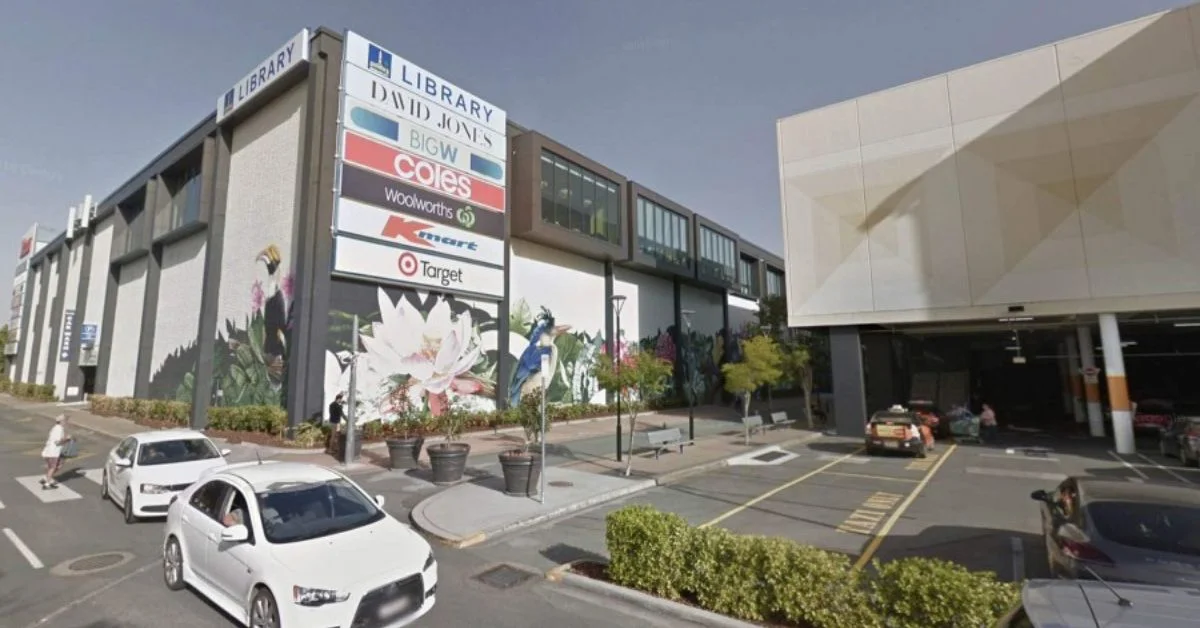
Upper Mount Gravatt’s Westfield shopping centre precinct will see new high-density zones allowing apartment buildings under plans approved this week, with proximity to the Brisbane Metro line cited as a key factor in the decision.


The precinct plan passed with broad support and will now proceed to Queensland authorities for approval before returning for final details including specific rezoning areas and building height limits. The Upper Mount Gravatt precinct was selected because of its location next to the new Brisbane Metro line, providing public transport connectivity for future residents.

The high-density zones around the shopping centre aim to concentrate housing near established retail, services and transport infrastructure. Upper Mount Gravatt already features the Westfield Garden City shopping complex, multiple bus routes and the upcoming Metro service, making it well-positioned to accommodate additional residential density.

Community Perspectives on High-Density Development

Brisbane residents have shared mixed views on the high-density zones proposal for Upper Mount Gravatt. Some community members expressed strong support for building apartments near high-frequency public transport, arguing these are exactly the sort of locations that should accommodate denser housing.

Community members have suggested expanding the Mount Gravatt precinct beyond its current boundaries, pointing to strong potential for increased density in areas directly bordering the designated zone. Several residents called for broader upzoning around all train stations and busway stations across Brisbane, rather than isolated precinct-by-precinct changes.

Some community feedback emphasized the need for comprehensive transport infrastructure to support high-density corridors, warning against creating pockets of apartments separated by areas with limited public transport options. The sentiment reflected concerns about distributing transport capacity alongside housing density.

Urban Densification Near Public Transport

The precinct plan forms part of Brisbane’s urban densification approach, intended to build taller apartments near public transport to reduce car dependency. Recent changes include reducing minimum block sizes to 120 square metres and cutting parking requirements for new buildings.

High-density zones approved for Upper Mt Gravatt
Photo Credit: BBC

Other precinct plans under development include Stones Corner, Wynnum Central, Salisbury, Moorooka and Alderley. Each precinct focuses on areas with existing or planned public transport infrastructure and established commercial centers.

The Upper Mount Gravatt high-density zones will complement the shopping centre’s role as a major retail and service hub for Brisbane’s southern suburbs. The precinct acts as a central hub for the wider Southside community, drawing residents from across the surrounding residential suburbs to its retail and transport core.

Authorities will determine the final details following approval, including which areas will be rezoned and the maximum building heights permitted. Once planners finalise the framework, market demand and private investment will drive how quickly new developments get underway.


Published 13-February-2026.

Inside Brisbane Metro: What Mt Gravatt Commuters Need to Know

Mt Gravatt residents can now access Brisbane Metro, the city’s newest public transport service, with its Route 169 officially launching this Monday, October 21.


Read: Rochedale to Play Major Role in Brisbane Metro’s Green Leap to Electrify Transport


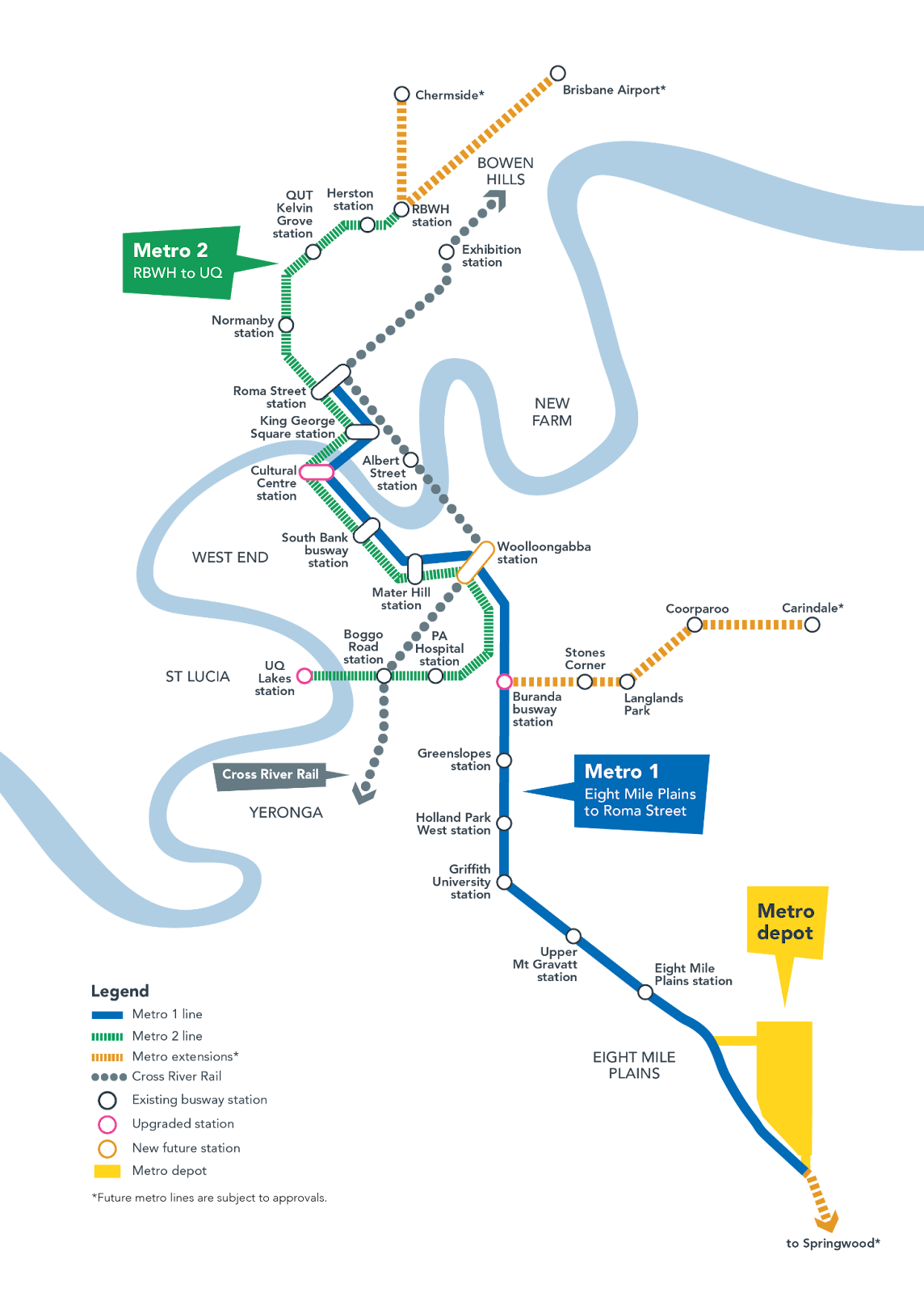
The new service connects Eight Mile Plains to UQ Lakes, offering local commuters a modern transport solution with stops at key destinations including Upper Mt Gravatt and Griffith University.

Your New Route from Upper Mt Gravatt

Brisbane Metro map (Photo credit: brisbane.qld.gov.au)


The service begins at Eight Mile Plains, making Upper Mt Gravatt station one of the first stops on the route. This strategic position gives Mt Gravatt commuters early access to the Metro, meaning better chances of securing seating during peak hours. The journey continues through Griffith University before heading to five more stations.

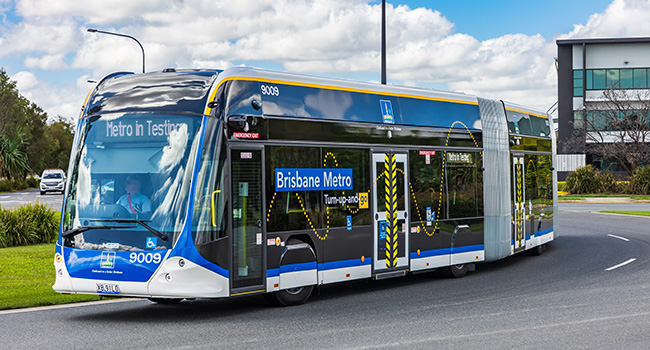
Brisbane Metro
Photo credit: brisbane.qld.gov.au

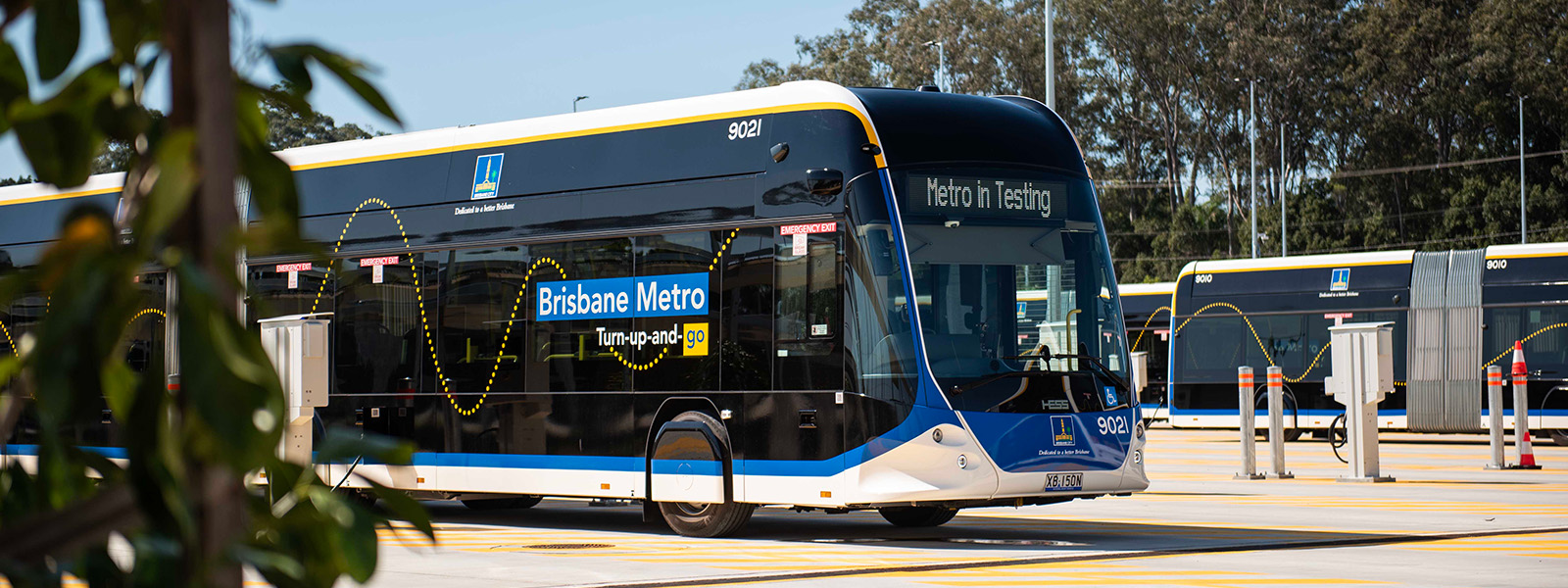
The new Brisbane Metro vehicles serving Upper Mt Gravatt station are a significant upgrade from traditional buses. At 24.4 metres long – double the length of standard city buses – these HESS vehicles can accommodate up to 150 passengers, with capacity to increase to 170 during special events. This means less crowding during peak hours and a more comfortable journey for Mt Gravatt residents.

Nothing changes with your ticketing – simply use your go card to tap on and off at Upper Mt Gravatt station as usual. The familiar Translink ticketing system ensures a seamless transition to the new Metro service.

Modern Features for Your Journey

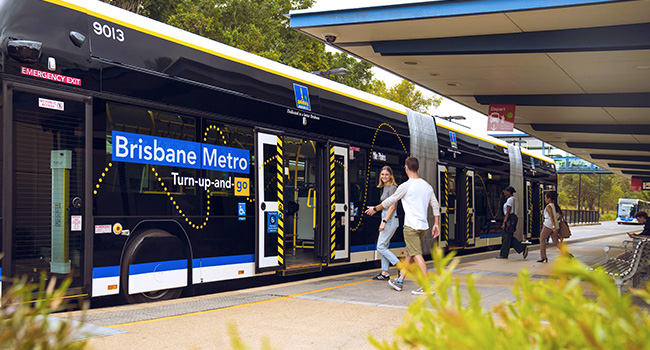
Brisbane Metro
Photo credit: brisbane.qld.gov.au

Your commute from Upper Mt Gravatt now comes with modern conveniences designed for today’s travellers. Free Wi-Fi keeps you connected throughout your journey, while USB charging points let you power up your devices on the go. Clear audio announcements and digital displays ensure you never miss your stop.

The Brisbane Metro service features a low-floor design for easy boarding. The front compartment houses three mobility bays, with an automatic ramp available at the first door. Priority seating is positioned near all three door entrances, and help points are readily available throughout the vehicle. For those requiring assistance, both automatic and manual ramps can be accessed through help phones either on board or at the station.

Photo credit: brisbane.qld.gov.au

Your travel from Upper Mt Gravatt is secured with comprehensive CCTV coverage throughout the vehicle. The separated driver cabin and six emergency help points provide additional safety measures, while well-lit compartments ensure visibility throughout your journey.

With three sets of doors and all-door boarding, getting on and off at Upper Mt Gravatt station is quicker and more efficient. This means less time waiting at the station and faster journey times, particularly during peak hours.

The Route 169 service through Upper Mt Gravatt is the first step in Brisbane Metro’s rollout, with the full M1 and M2 services set to commence in coming months. This early launch gives Mt Gravatt residents a chance to experience the new service ahead of the wider network expansion.


Read: Queensland’s Top Crash Hotspots Revealed: Logan Road in Mt Gravatt Makes the List


Future Connections

While Route 169 is just the beginning, it represents a significant upgrade for Mt Gravatt’s public transport options. The service provides a direct link to key destinations including Griffith University and UQ Lakes, with more connections to come as the full Metro network rolls out in the coming months.

Published 24-October-2024

Rochedale to Play Major Role in Brisbane Metro’s Green Leap to Electrify Transport

A new metro depot will be constructed in Rochedale, now emerging as a central hub in Brisbane Metro’s green transformation. The depot will house five flash chargers and 60 slow chargers, along with the necessary charging infrastructure.


This is in line with Brisbane’s vision of a state-of-the-art Brisbane Metro system, powered by electric vehicles (EVs), powered by a robust charging infrastructure in Rochedale and three other locations. 

The Metros operate on battery electric power and require reliable charging systems to function optimally. The chosen charging strategy for Brisbane Metro incorporates two distinct methods: flash charging, utilizing the Grid-eMotion™ system, and CCS2 plug-in slow chargers.

Flash Charging Innovation

The flash charging system represents a groundbreaking development in Australia, capable of charging a metro in under six minutes at end-of-route locations. This technology uses overhead pantograph infrastructure, allowing seamless and rapid charging. A pantograph, which autonomously connects to a charging point from the metro roof, facilitates this process.

Optimizing Energy Consumption

Slow chargers will play a vital role in extending the lifespan of the metros’ batteries while optimizing energy consumption from Brisbane’s energy grid during off-peak periods. A Power Load Management system will control the slow charging process at the metro depot, ensuring efficient utilization and moderating peak loads.

Strategic Charging Infrastructure Locations

Aside from Rochedale, key charging infrastructure points have been identified in three other areas to facilitate the smooth operation of Brisbane Metro:

  • Herston: An end-of-route flash charging facility and metro layover area will be constructed at Ernie’s Roundabout within the existing bus layover area.
  • Petrie Terrace: An end-of-route flash charging facility for metros will be established in the Inner Northern Busway adjacent to Countess Street.
  • The University of Queensland: UQ Lakes station will undergo upgrades and provide end-of-route flash charging and layover areas for metros.

Cr Andrew Wines confirmed that  EV charging facilities are being installed to power the Brisbane Metro in Rochedale. 

“We are committed to having a modern and efficient transport system that will keep Brisbane moving,” he wrote.

“One way we are doing that is by having our new Metro system use electric vehicles. These purpose-built specialist Metro Vehicles can be charged at the depot overnight to improve battery life, while through the working day. They will use a series of fast charge points across the network, creating a new type of modern transport for Brisbane.”

Charging Station Rochedale
Photo Credit: CrAndrewWines/Facebook

The Evolution of Brisbane Metro

Following a successful trial of the pilot metro, the Brisbane City Council has placed an order for the initial fleet of 59 metros, a pivotal milestone in the project. These electric-powered vehicles are set to arrive progressively, gearing up for the anticipated commencement of operations by late 2024, pending necessary approvals.


The Brisbane Metro project is poised to usher in a new era of sustainable and accessible public transportation, setting an example for cities across Australia. As preparations continue, the Council’s commitment to creating a modern and efficient transport system remains unwavering, promising a brighter and greener future for the people of Brisbane.

Published 17-Jan-2024